


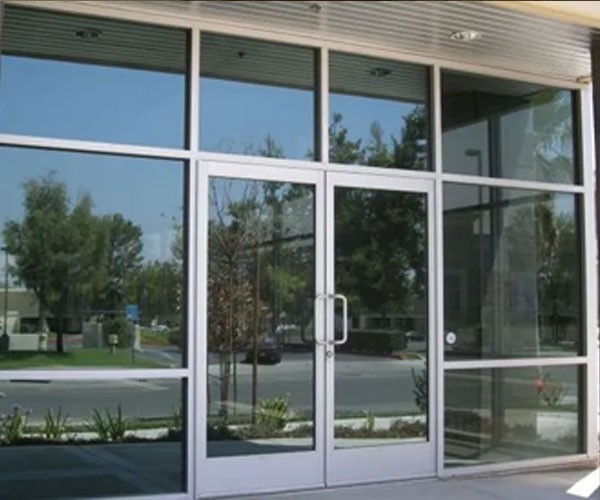
Broken front doors cause big problems fast for any business. Customers get stuck outside, and cold air blows right inside your building. Luckily, simple fixes often solve these common entrance issues quickly.
Regular maintenance prevents major damage and keeps foot traffic moving smoothly. When doors stall, trust an automatic commercial sliding door repair service to fix sensors, tracks, and motors efficiently. Skilled technicians keep your entrance safe, secure, and energy-efficient every day.
Dirty Motion Sensors
Dust covers the glass lens and blocks light signals completely. This tricks the sensor system into staying closed. Clean the outer cover with a soft cloth. Clear sensors bring back safe, hands-free door motion right away.
Blocked Floor Tracks
Small rocks and trash drop into the bottom metal track. This dirt jams heavy roller wheels during daily door movement. Sweeping tracks daily removes trapped dirt fast. Clean tracks allow glass panels to slide smoothly without grinding noises.
Worn Roller Wheels
Heavy daily use wears down thick plastic roller bearings over time. Damaged wheels drag and pull door panels off balance. Replace old rollers quickly to protect your frames. Fresh wheels make doors glide quietly across metal tracks.
Faulty Electric Motors
Internal motor gears wear out after opening millions of times. Weak motors cause slow sliding motion or sudden jerky stops. You need an automatic sliding door repair expert to replace burned electrical components safely. Proper power keeps doors moving fast.
Loose Drive Belts
Rubber drive belts stretch out after months of continuous friction. Loose belts slip off central pulleys during normal operations. Tighten or swap old belts to fix bad movement. Proper belt tension keeps glass panels moving together on time.
Misaligned Glass Panels
Bumping heavy carts into glass doors knocks panels off track. Misaligned doors scrape against metal frames and jam halfway open. Techs realign heavy glass panels with special alignment tools. Level alignment prevents deep frame scratches and costly breaks.
Power Supply Failures
Blown electrical fuses or tripped breakers cut main power instantly. Unplugged cables stop control boards from sending movement signals. Check wall switches and breaker panels before calling technicians. Restoring steady power fixes simple electrical glitches fast.
Key Takeaways
• Dirty sensors and blocked floor tracks cause most sudden door jams during busy operating hours.
• Worn roller wheels and loose drive belts create jerky sliding motions along the metal tracks.
• Misaligned glass panels damage frames and strain the motor over time if left uncorrected daily.
• Fast electrical checks help identify blown fuses and power drops before calling expert technicians.
• Expert maintenance keeps entryways safe and accessible for everyone throughout the entire year.
Frequently Asked Questions
Q.1) What should business owners do when an automatic door panel pops off its metal track?
Never force misaligned glass panels back onto metal tracks manually. Call an automatic commercial sliding door repair service immediately to prevent severe frame damage. Certified technicians realign heavy doors safely using heavy-duty lifting tools.
Q.2) Why do automatic sliding doors stop moving suddenly during normal business hours?
Blown fuses or blocked motion sensors usually cause sudden operational stops. Trash in floor tracks also jams sliding roller wheels instantly. Clear away visible debris and reset main circuit breakers to restore power and movement quickly.
Q.3) How often should commercial properties schedule professional automatic sliding door maintenance?
Schedule full system inspections at least twice every year. High-traffic stores need quarterly checks to prevent sudden part failure. Routine care catches worn belts, dirty sensors, and bad rollers before entryways lock up.
Q.4) Is it safe to leave a broken automatic door open overnight until technicians arrive?
Leaving broken entryways open creates major security risks for your facility. Manually lock doors into place or call emergency repair teams immediately. Certified experts perform prompt automatic sliding door repair to keep your building secure.
Q.5) Can bad weather or extreme temperature changes affect how automatic glass doors operate?
Yes, intense heat expands metal frames while freezing cold thickens gear grease. Heavy rain leaves water spots over optical sensor lenses, triggering false stops. Keep track channels dry and clean sensors often during storms.
Q.6) Why do commercial sliding glass doors make loud grinding noises when opening?
Loud grinding sounds indicate metal rubbing or broken roller bearings. Trapped rocks inside lower track grooves also create harsh noises. Inspect lower tracks for debris and replace damaged rollers to ensure quiet door operation.
Don’t Let a Broken Door Stall Your Business
Faulty sensors, dirty tracks, and worn motor belts disrupt daily business fast. Finding problems early prevents expensive full door replacements and keeps visitors safe. Regular care extends system lifespan and saves money on major automatic sliding door repairs.
When doors break down, contact Cenark Automatic Doors for 24/7 certified assistance. Experts handle inspections, parts replacement, and full system tune-ups to keep entryways moving smoothly. Proper maintenance protects equipment value, lowers energy costs, and ensures complete accessibility permanently.
