


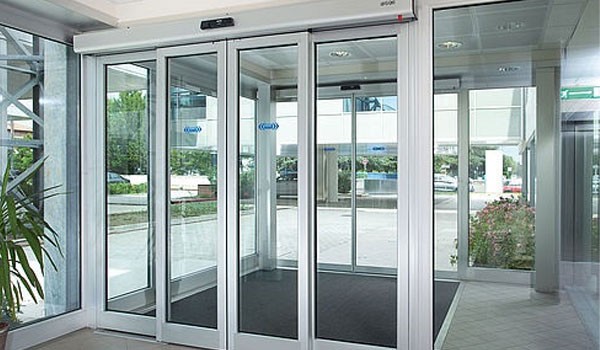
Broken doors create big legal trouble fast. Disabled guests get stuck outside when entry systems stall. This barrier breaks access rules completely.
Scheduling fast automatic sliding glass door repair fixes broken sensors and track alignments right away. Skilled techs restore smooth entry, keep guests safe, and protect property owners from big fines today.
Narrow Clearance Widths
Stuck glass panels fail to open all the way. This bad jam narrows the main doorway path. Wheelchair users cannot pass through tight spots safely. Techs adjust rollers so panels pull back fully into metal frames on every cycle.
Slow Opening Speeds
Worn motors make heavy glass doors move very slowly. Delayed motion forces disabled guests to wait outside. That delay breaks federal access standards. Replacing weak drive motors brings door speeds back to proper legal levels fast.
Misaligned Motion Sensors
Dirty lenses miss approaching people completely. Doors fail to open and stay shut tight. Calling for fast commercial sliding door repair fixes dead sensors. Repaired sensor units detect mobility devices easily, allowing smooth access for everyone.
Excessive Opening Force
Dead rollers force people to push heavy panels by hand. High resistance hurts elderly visitors trying to enter safely. Access rules limit manual door resistance levels strictly. Fresh rollers make glass panels glide easily with no extra effort.
Sudden Fast Closures
Broken control boards cause doors to slam shut quickly. Fast-closing glass panels hit people using walkers or canes without warning. These hard hits create serious safety risks. New control boards ensure smooth, timed closing cycles every time.
What Are the Warning Signs You Need Commercial Sliding Door Repair?
Watch for these common red flags before a minor glitch turns into a costly breakdown:
Loud Grinding Sounds
Harsh scraping noises mean metal tracks have deep scratches. Broken roller bearings ground down inside lower frame grooves. Sweeping debris and putting in new wheels stops loud noises. Smooth track channels let heavy panels slide without extra strain.
Jerky Panel Motion
Panels that stutter along metal tracks signal stretched drive belts. Loose rubber belts slip off motor wheels during normal use. Prompt automatic sliding glass door repair tightens or swaps worn belts quickly. Restored belt tension keeps doors moving smoothly.
False Motion Triggers
Doors opening without anyone standing nearby waste indoor heat fast. Failing sensor chips or loose wires cause random opening cycles. Techs test electrical setups to fix ghost triggers. Adjusted sensors respond only when real people walk up to the glass.
Unexplained Power Drops
Control panels that shut down randomly leave doors stuck wide open. Blown electrical fuses cut power to sensor units without warning. Techs replace bad transformers to restore steady power. Steady power keeps automatic doors working reliably all day.
Key Takeaways
• Delayed automatic sliding glass door repairs trigger severe federal access fines fast for non-compliant business properties.
• Restricted door clearance blocks wheelchair users from entering safely during busy operating hours.
• Grinding noises signal broken roller bearings inside lower tracks that require quick replacement.
• Loose drive belts cause jerky glass panel movement during operation and strain the motor.
• Regular care ensures complete entry access for all visitors throughout the entire year.
Frequently Asked Questions
Q.1) How do broken automatic glass doors violate federal ADA accessibility guidelines?
Faulty doors block entrance width and fail to open automatically for disabled guests. Slow opening speeds or dead sensors create physical barriers. These issues prevent equal access, bringing heavy fines and legal problems to owners fast.
Q.2) What causes commercial sliding glass panels to scrape loudly along bottom tracks?
Dirt, rocks, and broken roller bearings scrape against lower track channels. Dragging metal damages door frames and puts extra strain on drive motors. Replacing worn wheels and cleaning track grooves restores quiet, easy sliding motion right away.
Q.3) Why should property managers schedule professional sliding door repair right away?
Delaying simple fixes turns minor track jams into total motor failure. Broken doors create security risks and ruin indoor heat or air fast. Professional commercial sliding door repair fixes alignment issues, keeping your main entrance completely safe, secure, and easy to use daily.
Q.4) Can bad weather or heavy rain mess up automatic door motion sensors?
Yes, heavy rain and dirt create thick spots on glass lenses. Water spots block sensor beams, making sensors miss approaching visitors entirely. Cleaning sensor covers and sealing header boxes keeps electronic controls working smoothly through intense storms.
Q.5) How often should high-traffic facilities inspect their automatic sliding entry systems?
High-traffic buildings need professional system checks twice a year. Certified techs test safety sensors, adjust belt tension, and inspect roller bearings thoroughly. Regular care catches worn parts early, preventing sudden door breakdowns and costly legal access violations.
Avoid Heavy ADA Fines with Fast Door Repairs
Ignored door glitches turn into major legal trouble fast. Stalled panels block disabled guests, ruin indoor comfort, and trigger heavy government fines. Scheduling fast care keeps entry doors working well, totally safe, and legally compliant every single day.
For top-tier service, trust Cenark Automatic Doors for 24/7 expert care. Our technicians handle sensor fixes, track alignment, and complete commercial sliding door repair to keep your building safe and moving smoothly permanently.
